Getting to 1,000 subscribers can feel tough, but learning how to get subscribers on YouTube relies more on a plan than luck.
The real key is having a strategy. You need to know what the algorithm likes, how to make content that keeps new viewers interested, and how to use YouTube Shorts to get noticed.
This guide breaks down how to get more subscribers on YouTube in six steps that work for someone just entering the YouTube world or stuck in the wrong algorithm. This comes from a creator who built three YouTube channels, including Async’s own channel.
You’ll learn how to choose a niche, learn about YouTube SEO, create thumbnails that get clicks, use Shorts to attract subscribers, build up enough content before launching, and focus on what the algorithm shows is working.
The 6 steps at a glance
Step 1: Clarity over creativity
Here’s a simple truth: new channels see the best results by being specific, not just by being creative.
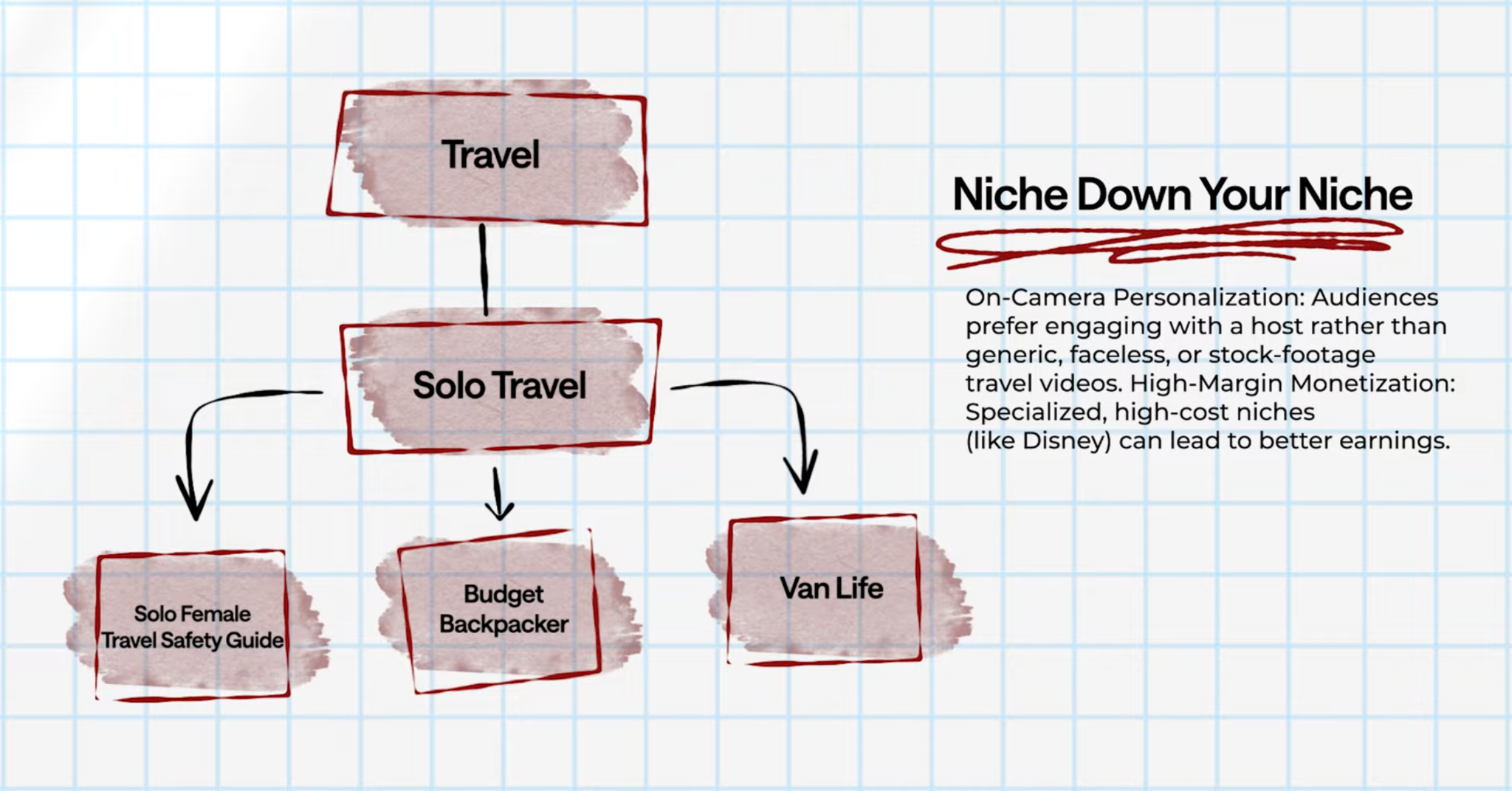
Many beginners choose a broad niche and then wonder why the algorithm struggles to find their audience. The solution is to narrow your niche until your channel has a clear, searchable identity.
For example, instead of making a general travel channel, you could focus on something like a “solo female safety guide for Southeast Asia” or “budget backpacker surviving on $20 a day in every country.” This helps the algorithm categorize your channel and lets viewers quickly understand what you offer.
Find your niche within a niche
A good way to check your niche is to see if someone can tell what your channel is about as soon as they visit your profile. If they need to read a lot to figure it out, your niche is probably still too broad.
Once you’ve chosen your niche, add it to your channel description. This helps the algorithm find the right keywords and place your videos in the right search results and suggested feeds.
The 5:1 ratio for finding proven topics
If you want to know how to grow your YouTube channel with topics people are really interested in, here’s a research method that removes much of the guesswork.
Search YouTube for videos in your niche that have many more views than the creator has subscribers. Aim for a 5:1 ratio, like a video with 500,000 views from a creator with 100,000 subscribers. This gap shows that the topic, not just the creator’s audience, is driving the views. There’s demand for that subject, and it hasn’t been fully met yet. Don’t copy the video: make your own version with a better title, stronger thumbnail, clearer script, and tighter edit.
Step 2: The YouTube SEO shortcut
If you have fewer than a few thousand subscribers, the algorithm doesn’t have enough data to promote your videos through “Browse” or “Suggested.” Instead, you’ll build your first audience through Search.
So, your first videos should answer specific questions people are searching for and be engaging. This is the best way to get more subscribers early on.
How to find what your audience is searching for
There are three ways to do this, depending on your budget.
1. TubeBuddy (paid, recommended)
TubeBuddy is a browser plugin that gives you a keyword score based on your channel’s size. For example, while other tools might say “solo travel” is a good keyword, TubeBuddy shows if your channel can actually rank for it. Aim for keywords rated “Very Good” or “Excellent.”
2. The AI method (free)
Find a top video in your niche. Copy its title and description, paste them into ChatGPT, Claude, or Gemini, and use this prompt: “Extract the high-ranking SEO keywords from this data.” This lets you use real keyword data from a video that already ranks.
3. YouTube Studio Trends tab (free)
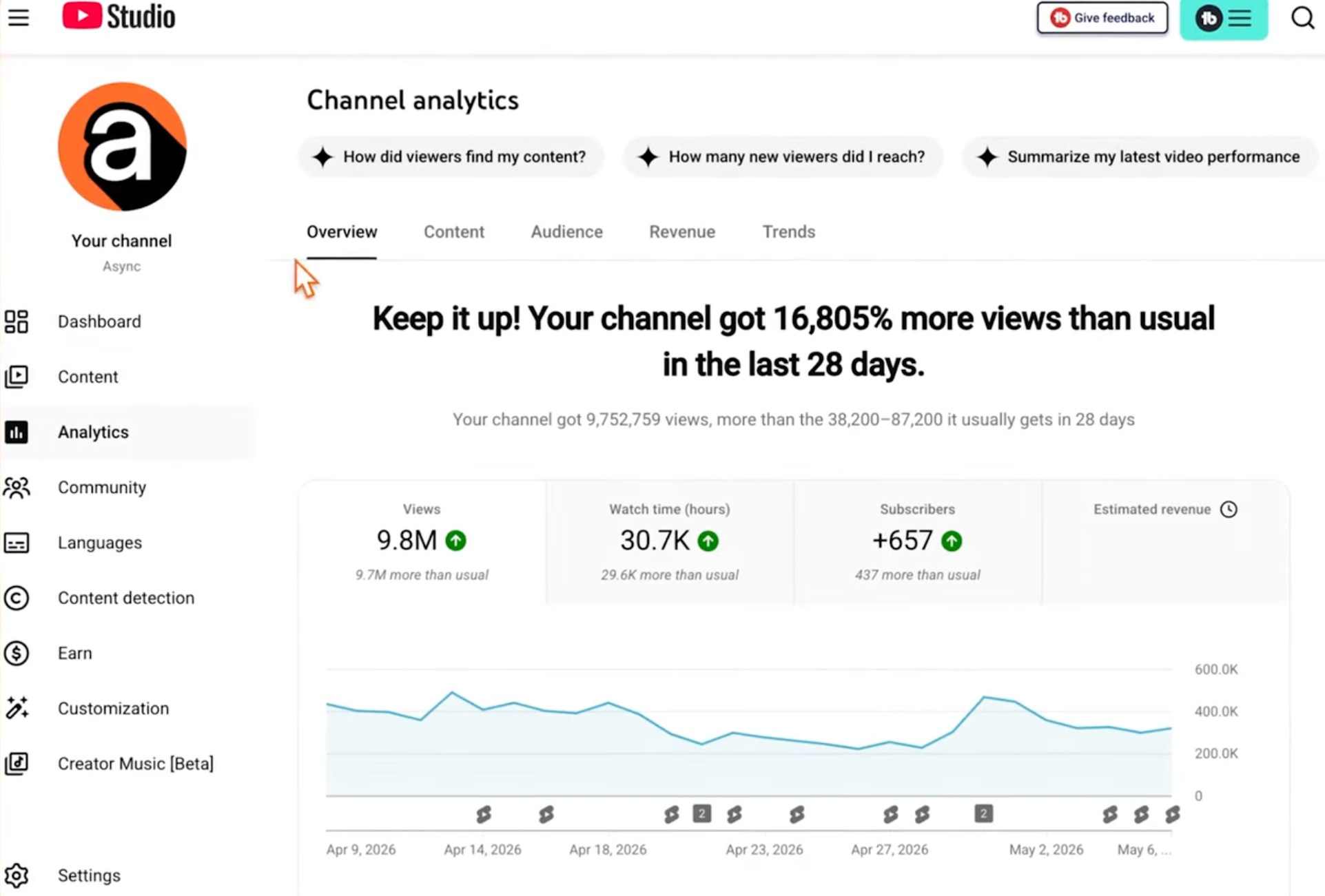
Go to YouTube Studio → Analytics → Trends.
This shows what your viewers are searching for on YouTube. If you spot a popular topic you haven’t covered, make that your next video.
The SEO checklist for every upload
Once you have your keyword, make sure YouTube can find it by including it in these places:
- The video title
- The first line of your description
- The first 30 seconds of your video, and say the words out loud
- The file name before you upload
This helps the algorithm understand what your video is about before anyone even watches it.
Step 3: Master the click decision
To grow your channel, it’s important to understand how viewers make decisions on YouTube.
Before someone watches your video, they have to decide to click it—and you only have about two seconds to grab their attention.
One second goes to the thumbnail. One second goes to the title.
If neither the thumbnail nor the title gives viewers a reason to click, it won’t matter how good your content is. The algorithm can’t help if no one clicks to show it’s worth watching.
The curiosity gap
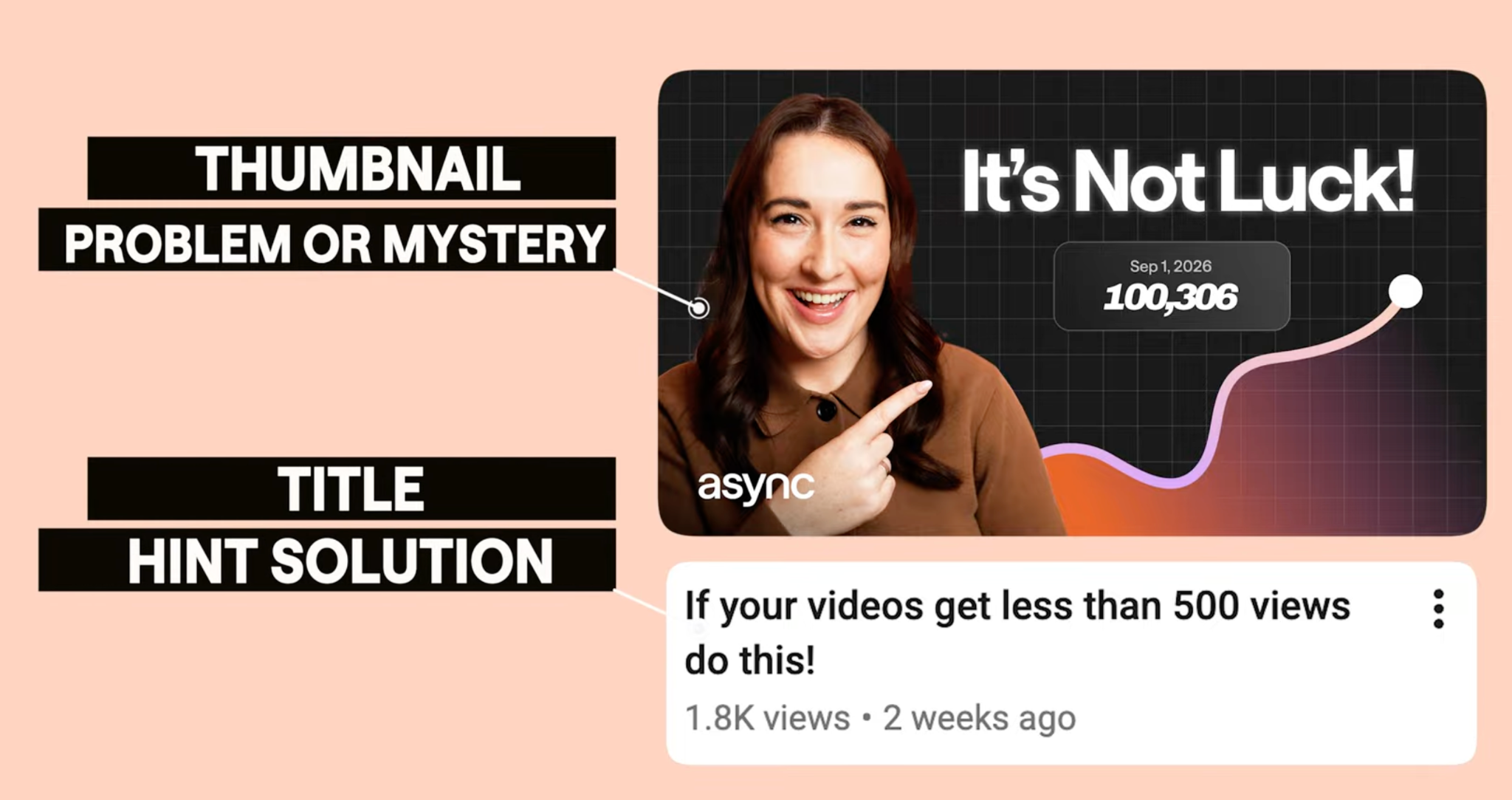
A good thumbnail and title work because of the curiosity gap. This is the space between what someone knows and what they want to learn.
For example, a thumbnail might show a result, like a number, a transformation, or a surprise, while the title hints at how it happened. The viewer sees the outcome but not the process, so they have to click to find out. That’s the curiosity gap at work.
Design the thumbnail before you film
Try designing your thumbnail idea before you start filming. If you can’t think of something that would make someone stop scrolling, your video might need a clearer focus. Getting the “packaging” right first helps you define what your video promises.
Most YouTube thumbnail tips come back to the same idea: make the video’s promise obvious at a glance. The design can be simple as long as the viewer instantly understands the result, tension, or question behind the video. If you want to test a few directions faster, an AI thumbnail generator can help you explore different layouts before committing to one.
Confirm the click in the first seven seconds
Viewers decide if a video is clickbait in the first seven seconds. Your intro should deliver on whatever your thumbnail promised right away. For example, if your thumbnail shows you holding $20, start your video with that shot. If there’s a mismatch, viewers will leave, and a high early drop-off tells the algorithm not to promote your video.
Step 4: Use YouTube Shorts as a subscriber funnel
Shorts get over 200 billion views every day. For small creators, the algorithm is much more likely to show a Short to new viewers than a long-form video.
Many beginners treat Shorts as separate content, but that’s not the best approach. Think of Shorts as the front door to your channel; they help new people find you and decide if they want to see more. A good Shorts strategy brings in viewers who will check out your longer videos.
You don’t need to film new content to make Shorts. Just take the best 60 seconds from a long-form video, like a great insight, a surprising fact, or a useful tip—and post it as a teaser. This acts as a preview and can send interested viewers back to your full video.
Async’s AI clipping tool can help with this by scanning your long-form videos, picking out the most engaging moments, and turning them into vertical clips for Shorts, TikTok, or Reels. This lets you reach more people with content you’ve already made, without extra filming.
Short-form content by the numbers
A viral Short can turn about 2–3% of viewers into subscribers. That may seem small, but if a Short gets 100,000 views, which can happen much faster than with long-form videos, that’s 2,000 to 3,000 new subscribers from just one clip. For example, one Short brought over 2,000 new subscribers to Async’s channel in a single month.
The main goal is to use Shorts to get people interested, so they’ll watch your long-form videos. That’s what the next step is about.
Step 5: Build the binge-loop before you publish
One of the biggest mistakes new creators make is launching with just one video and waiting to see what happens.
The problem is, if your video reaches 100,000 people but there’s nothing else for them to watch, you miss out on most of that potential. Viewers are much more likely to subscribe if they finish your video and immediately find another one they want to watch.
This is called the binge loop, a set of videos on your channel that keeps new viewers watching until they decide to subscribe, which matters a lot if your goal is figuring out how to get 1000 subscribers on YouTube faster.
Why you need at least five videos ready before you publish
Before you publish, aim to have at least five long-form videos and five Shorts ready to go. It might sound like a lot, but it helps in two big ways:
- new viewers have somewhere to go after your first video
- giving the algorithm multiple data sources about your channel at the same time
When you release several videos in the same niche close together, you help the algorithm figure out your audience much faster than with just one upload. This lets it push your content to the right viewers more effectively.
Why session time matters
If someone watches three of your videos in a row, YouTube interprets that as your channel keeping people engaged. This is called session time, and it encourages the algorithm to show your content to bigger audiences rather than just small groups.
Creating a binge loop helps you send this signal early. If making lots of content at once feels overwhelming, Async can help you go from recording to edited, captioned, and clipped videos faster, making it easier to build your backlog.
Step 6: Double down on breakout topics
Most videos on a new channel get similar results. But if one does two to five times better than the others, that’s a sign you should pay attention to and act on.
Don’t just move on to a new topic. That video is the algorithm’s way of showing it found your audience. Focus on that topic and make more related content.
The 1-Up strategy
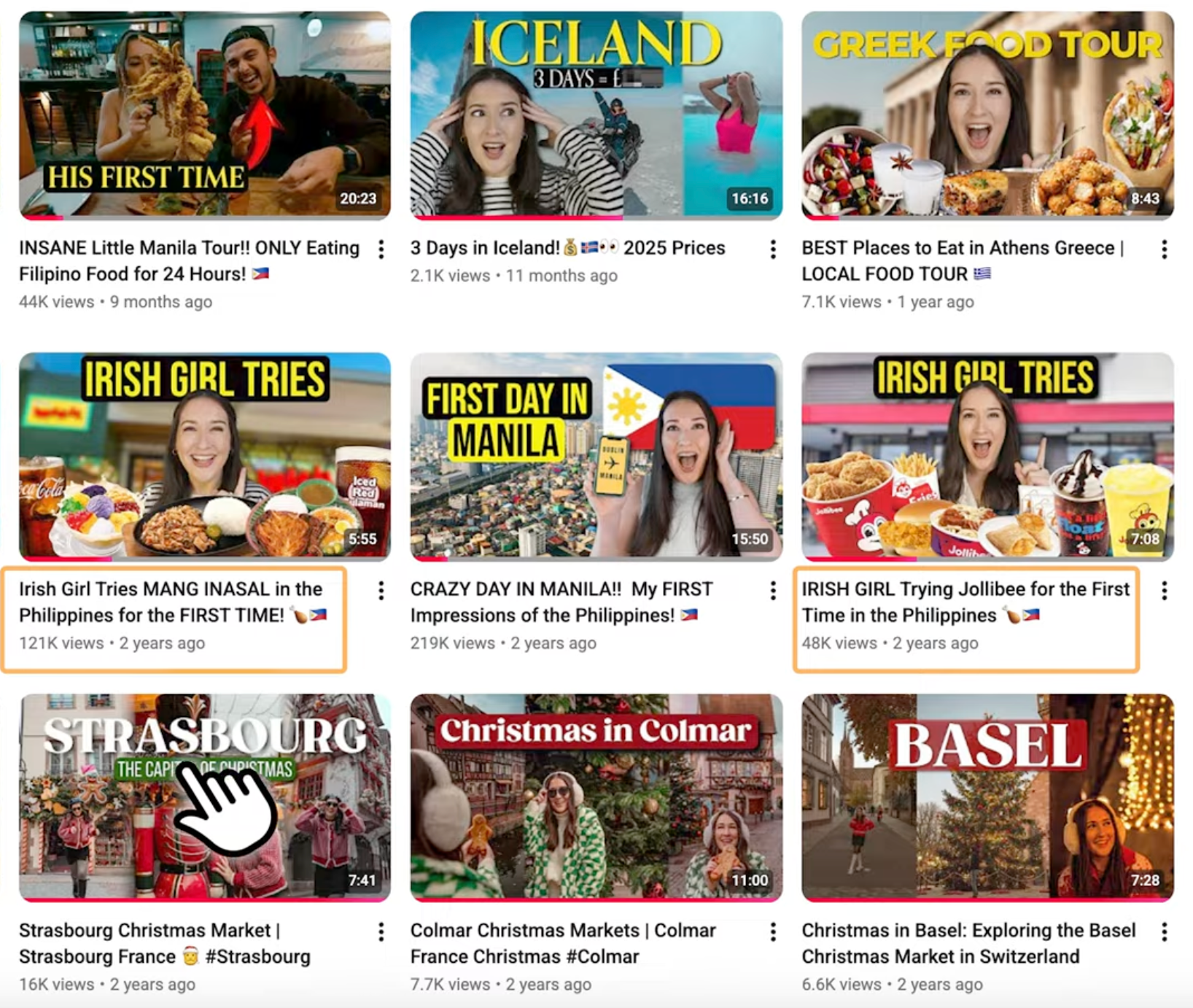
If a video does really well, the best thing to do is make a direct follow-up right away. For example, if “how to start a YouTube channel” performed well, your next video could be “the five mistakes I made starting my YouTube channel.”
Keep the same thumbnail style and a similar title structure, so YouTube’s suggested algorithm places your new video right next to the one that already worked.
In your follow-up video, mention the first one within the first 30 seconds. This creates a loop that keeps new viewers watching your channel instead of leaving for someone else’s.
Why this accelerates subscriber growth
Focusing on what’s working gets you more views on that topic and helps the algorithm understand your channel faster. Instead of waiting months, you give the algorithm several related signals in a short time. This can help you grow your subscriber base in weeks rather than years, especially if you’re trying to figure out how to get 1000 subscribers on YouTube.
Keep making content on that topic until the views start to slow down. Then, check your analytics to find the next topic or idea that’s gaining traction.
Here’s a video to guide you through this process step by step:
Final thoughts
Reaching 1,000 subscribers on YouTube mostly comes down to getting a few things right early: having a clear niche, making content people are searching for, creating clickable thumbnails, using Shorts to attract new viewers, having enough content to keep them interested, and focusing on what works.
You don’t need a big budget or professional setup for any of this. All you need is a clear strategy, patience, and consistency.
If you want to make things even easier, spend more time creating and less time editing or repurposing. Async makes this simple and keeps everything in one place. Sign up for free and start building your content backlog today.
Frequently asked questions
How long does it take to get 1000 subscribers on YouTube?
It depends on your niche, how consistently you post, and whether any video catches on early. Some channels hit 1,000 subscribers in 30 days because they have a specific niche, solid SEO, and Shorts that can go viral. Meanwhile, others can take six to twelve months.
The difference usually comes down to how searchable your content is and whether you’ve got enough videos to keep people watching once they find you.
Does YouTube SEO actually make a difference for small channels?
Yes, especially early on. Before your channel has enough data for YouTube to push your videos through Browse or Suggested, Search is your most reliable way to get found. If your videos answer specific questions people are already typing in, you can rank and get views even with zero subscribers. That can build traction and give the algorithm what it needs to start pushing your content more widely.
How many videos should I post per week to grow faster?
Consistency matters more than frequency. One well-made, well-optimized video per week is more effective than three rushed ones. If you’re also doing Shorts, aim for three to five per week using repurposed clips from your long-form videos. More than any posting schedule, having five or more videos ready before you even launch makes the biggest difference in those first few weeks.
Do thumbnails affect subscriber growth?
Indirectly, yes. Thumbnails don’t directly convert viewers to subscribers, but they control whether anyone clicks on the video in the first place. A video that doesn’t get clicked doesn’t get watched, doesn’t build session time, and doesn’t get pushed by the algorithm. So better thumbnails lead to more clicks, more watch time, and more subscribers down the line.
How to get 1,000 subscribers on YouTube fast?
The fastest way is usually through having a very specific niche, a few search-optimized videos, and one or two Shorts that get traction. That combination will get you to 1000 subscribers faster than anything else. Having enough content ready before you launch also makes sure you’re not wasting the viewers who do show up. So in the end, there’s no single trick, but running all six steps in this guide at the same time is about as close as it gets.
PakarPBN
A Private Blog Network (PBN) is a collection of websites that are controlled by a single individual or organization and used primarily to build backlinks to a “money site” in order to influence its ranking in search engines such as Google. The core idea behind a PBN is based on the importance of backlinks in Google’s ranking algorithm. Since Google views backlinks as signals of authority and trust, some website owners attempt to artificially create these signals through a controlled network of sites.
In a typical PBN setup, the owner acquires expired or aged domains that already have existing authority, backlinks, and history. These domains are rebuilt with new content and hosted separately, often using different IP addresses, hosting providers, themes, and ownership details to make them appear unrelated. Within the content published on these sites, links are strategically placed that point to the main website the owner wants to rank higher. By doing this, the owner attempts to pass link equity (also known as “link juice”) from the PBN sites to the target website.
The purpose of a PBN is to give the impression that the target website is naturally earning links from multiple independent sources. If done effectively, this can temporarily improve keyword rankings, increase organic visibility, and drive more traffic from search results.
